Fitness has changed significantly in the digital age. Going to a gym or following a traditional exercise routine is no longer the only way people approach physical activity. Smartphones, fitness apps, smartwatches, online workout videos and wearable devices have made it easier for people to track their activity and learn about exercise.At the same time, social media has transformed fitness into a major part of digital culture. Workout routines, transformation stories, nutrition content and fitness challenges are now widely shared online. This has made fitness more accessible, but it has also created new challenges around unrealistic expectations and misinformation.
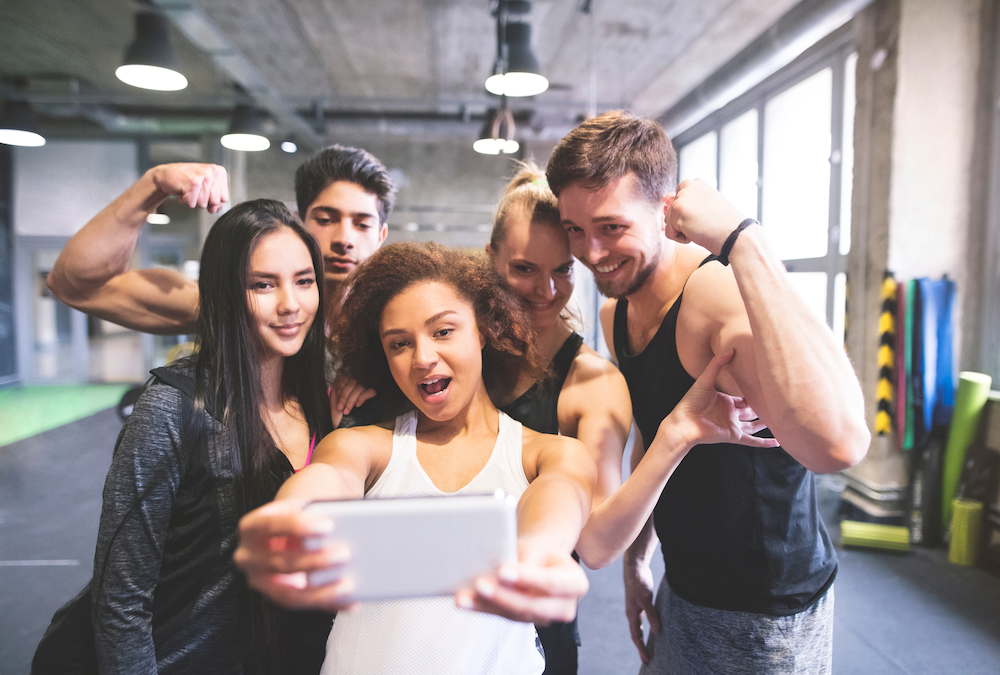
Fitness Is More Than Just Exercise
Fitness is often associated with lifting weights or running, but physical fitness is much broader.A balanced fitness routine can include strength, cardiovascular endurance, flexibility, mobility and general physical activity. Different people may have different goals. Someone may want to build muscle, another person may want to improve endurance, while someone else may simply want to become more active.This means there is no single workout that is ideal for everyone. Technology has become closely connected with fitness.Smartwatches and fitness trackers can record information such as steps, heart rate, exercise sessions and other activity-related measurements. Fitness applications can help users create workout routines, track progress and maintain consistency.This data can provide useful feedback. For example, someone trying to become more active can monitor their daily movement and gradually increase their activity.
However, these devices should be treated as tools rather than perfect measurements. Fitness data can provide estimates, but it does not always represent the complete picture of a person’s health or fitness
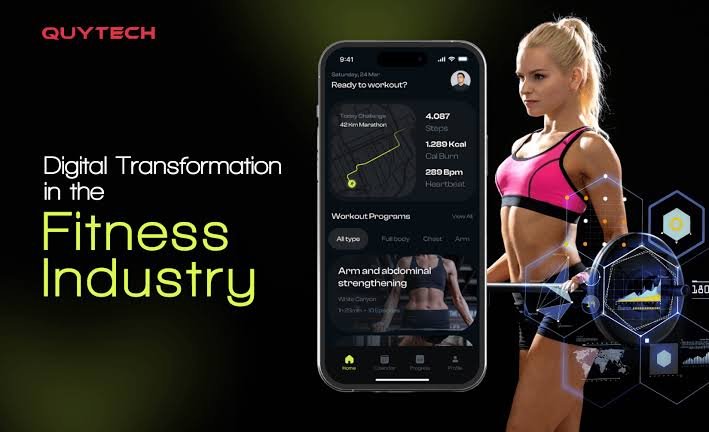
Social media has played a major role in the growth of online fitness culture.Fitness creators share workout demonstrations, exercise tips, meal ideas and personal experiences. This can motivate people who are beginning their fitness journey and provide access to information that may previously have been difficult to find.
However, social media can also create unrealistic expectations.Photographs and videos often show carefully selected moments, specific lighting and particular poses. Comparing everyday life with highly edited or carefully presented online content can give people an inaccurate idea of what fitness progress should look like.